What Is Cockroach Pest Control and How Does It Work?
Cockroach pest control is a practical process for finding, reducing, and preventing cockroach activity. It is not simply a quick spray around the kitchen. A trained professional studies where cockroaches hide, feed, and travel. Common clues include dark droppings inside cabinet corners, shed skins, egg cases, and a stale, oily odor near appliances. Dr. Michael F. Potter, an urban entomologist at the University of Kentucky, has described cockroaches as “among the most difficult pests to control.” That warning matters. A few visible insects may indicate a larger hidden population.
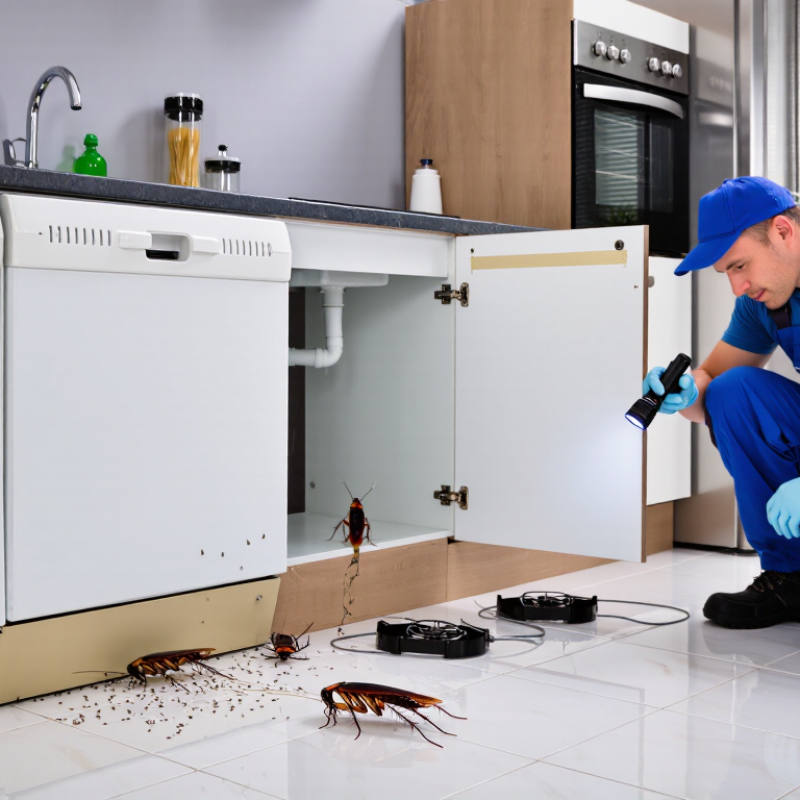
Effective cockroach pest control usually combines inspection, sanitation, exclusion, monitoring, and carefully selected treatments. Technicians may place monitoring traps beneath sinks, behind refrigerators, and beside warm plumbing lines. They can seal cracks, correct moisture problems, and apply gel bait into narrow harborages. Baits work gradually, while targeted products reduce unnecessary exposure. Results depend on the species, building condition, and resident cooperation. A clean room helps, but cleanliness alone may not solve an established infestation. That assumption is common, and incomplete.
Experience also shows that rushed treatment can create false confidence. You may see fewer cockroaches for several days, then notice activity again at night. Follow-up inspections are therefore important. Reliable professionals explain the treatment plan, product precautions, expected timing, and signs of progress. They should also recommend lawful, label-compliant methods rather than exaggerated promises. The process is sometimes imperfect. Still, careful evidence, patient monitoring, and prevention usually provide the strongest path toward lasting control.
What Cockroach Pest Control Means
What Is Cockroach Pest Control and How Does It Work?
Cockroach pest control means managing an infestation, not simply killing visible insects. It combines inspection, sanitation, exclusion, monitoring, and targeted treatment. The 2021 American Housing Survey reported cockroach signs in about 14% of occupied U.S. homes during the previous year. That figure shows why control involves more than a quick spray.
Professionals look for droppings, egg cases, shed skins, grease marks, and hiding spaces. They inspect plumbing gaps, cabinet hinges, wall voids, and warm appliances.
Gel baits and insect growth regulators can reach hidden colonies. Sticky monitors help measure activity over several days. A 2023 industry pest survey identified cockroaches as one of the most frequently managed indoor pests. Numbers vary by region, housing age, and moisture levels.
Good control also removes food and water sources. Dry sinks overnight. Store food in sealed containers. Repair dripping pipes. Seal narrow openings around utility lines. Indoor treatment should follow the product label and local safety requirements. More chemical does not mean better control. It may increase exposure while missing the nest.
Results are rarely immediate. Eggs may survive the first treatment. Follow-up inspections often reveal overlooked harborages. That is where plans sometimes fail. Even experienced technicians can misjudge movement between apartments or rooms. Reliable control depends on records, repeated monitoring, and adjustment when evidence changes.
How Cockroach Infestations Are Identified
Cockroach pest control begins with accurate identification, not immediate spraying. HUD’s 2019 American Housing Survey reported that about 14 million U.S. households saw cockroaches during the previous year. That figure reflects reported sightings, not confirmed infestations. One roach matters, but it does not prove a colony.
Inspectors look beneath sinks, behind refrigerators, inside cabinet hinges, and around plumbing gaps. Pepper-like droppings, dark smear marks, shed skins, egg cases, and a stale odor provide stronger evidence. Sticky monitoring traps can reveal movement at night. They also show whether activity is concentrated near food, water, or wall voids. German cockroaches are usually small and brown with two dark stripes. American cockroaches are larger and often appear near drains or damp service areas.
The U.S. Environmental Protection Agency’s integrated pest management guidance emphasizes inspection, monitoring, sanitation, and exclusion before control products. This approach is practical. It is not perfect. A quiet trap may reflect poor placement, not an empty room. A clean kitchen can still support roaches through condensation, leaking pipes, or neighboring units. Experienced technicians compare several signs, document locations, and identify the species before choosing treatment. That judgment reduces guesswork and helps distinguish an active infestation from an occasional intruder.
Which Methods Are Used to Control Cockroaches
What Is Cockroach Pest Control and How Does It Work?
Which Methods Are Used to Control Cockroaches
Cockroach control combines inspection, prevention, monitoring, and targeted treatment. A trained technician checks kitchens, bathrooms, wall gaps, drains, and warm appliances. Droppings, shed skins, and egg cases can reveal hidden activity. The goal is not simply to kill visible insects. It is to locate nesting areas and reduce access to food, water, and shelter.
Sanitation is a basic method. Store food in sealed containers, clean grease from surfaces, and repair leaking pipes. Exclusion also helps. Seal cracks around cabinets, doors, and utility lines. Sticky monitoring traps show where cockroaches travel. They provide useful evidence, not a complete solution.
Baits are often placed near hiding areas. Cockroaches feed on them and may carry the active ingredient back to sheltered locations. Gel products work well when applied in small, hidden spots. Dust treatments can reach dry wall voids, but they require careful handling. Residual sprays may treat harborages, although careless spraying can scatter insects or contaminate food surfaces.
Professional control often uses integrated pest management, or IPM. This approach combines several methods instead of depending on one chemical treatment. Follow-up visits matter because egg cases may survive the first service. Results can also fail when residents leave food exposed or remove monitoring traps. No method is flawless. A rushed treatment may look successful for a week, then reveal missed moisture or entry points. Reliable control depends on accurate inspection, safe application, and consistent household habits.
How a Cockroach Treatment Works Step by Step
Cockroach pest control begins with a careful inspection, not a quick spray. A trained technician checks kitchens, bathrooms, wall gaps, drains, and warm appliances. They look for droppings, egg cases, shed skins, and greasy marks. These clues show where roaches hide and how they travel. Food crumbs and moisture also receive attention.
The treatment then targets hiding places and movement routes. Technicians may apply approved gel bait, monitoring traps, or carefully placed residual treatment. Baits work gradually, allowing roaches to carry the material back to sheltered areas. Traps help measure activity rather than kill every insect immediately. Residents should store food, remove rubbish, and repair leaks before treatment. Children and pets must stay away from treated areas as directed.
Follow-up visits matter because egg cases can survive the first treatment. A technician checks trap results and searches for fresh evidence. The plan may change if activity remains high. One missed pipe gap can keep the problem alive. That is easy to overlook. Good control combines treatment with sanitation, sealing, and moisture reduction. Even experienced professionals can misjudge a hidden nesting site, so honest monitoring remains essential. Seeing fewer roaches after one visit is encouraging, but it does not always prove the infestation has ended.
| Step | Treatment Stage | What Happens | Common Methods | Typical Timing | Key Considerations |
|---|---|---|---|---|---|
| 1 | Inspection and Identification | The technician looks for live cockroaches, droppings, shed skins, egg cases, grease marks, odors, and hiding areas. | Visual inspection, flashlight checks, glue monitors, and review of activity patterns. | 30–90 minutes | Correct identification matters because different cockroach species can prefer different areas and respond differently to treatment. |
| 2 | Source and Entry Assessment | Potential food, water, shelter, and entry points are recorded to determine why the infestation is continuing. | Checking plumbing gaps, wall voids, drains, appliances, cabinets, cracks, and cluttered storage areas. | During inspection | Cockroaches can enter through small openings and may move between rooms or adjoining units through shared voids. |
| 3 | Preparation and Sanitation | Food, pet dishes, rubbish, grease, standing water, and unnecessary clutter are removed or controlled before treatment. | Vacuuming, cleaning food residues, drying sinks, storing food in sealed containers, and reducing hiding places. | Before treatment | Sanitation does not usually eliminate an established infestation by itself, but it improves bait access and reduces reinfestation pressure. |
| 4 | Targeted Bait Placement | Small amounts of cockroach bait are placed near harborage and travel areas where cockroaches are likely to feed. | Gel bait, bait stations, or other legally registered bait products used according to the label. | Initial visit | Baits work gradually. Cockroaches may feed on the bait and carry residues back to hiding areas, but results depend on placement and continued access. |
| 5 | Crack, Crevice, and Void Treatment | Suitable narrow gaps and concealed areas may be treated to reach cockroaches without applying products broadly across exposed surfaces. | Crack-and-crevice applications, dusts in appropriate voids, or physical sealing of gaps. | Initial visit | Applications should be limited to approved locations and kept away from food-contact surfaces, children, and pets as directed by the product label. |
| 6 | Monitoring and Initial Knockdown | Glue monitors and follow-up observations help measure whether activity is declining and where surviving cockroaches remain. | Replacement monitoring traps, activity records, and inspection of treated areas. | Several days to 2 weeks | A visible reduction may not be immediate because eggs can hatch after the first treatment and some species reproduce continuously. |
| 7 | Follow-Up Treatment | Remaining activity is reassessed, and bait, monitoring devices, exclusion work, or other targeted measures are adjusted as needed. | Additional baiting, replacement of depleted bait, sealing entry points, and localized re-treatment. | Usually 1–3 weeks later | Follow-up is often important for infestations involving egg cases, multiple rooms, shared walls, or repeated sources of food and moisture. |
| 8 | Prevention and Long-Term Control | The property is maintained in a condition that makes feeding, breeding, and shelter less favorable to cockroaches. | Sealing cracks, repairing leaks, improving ventilation, reducing clutter, using tight-fitting storage, and continuing monitoring. | Ongoing | Prevention is most effective when building repairs, sanitation, monitoring, and carefully targeted treatments are combined. |
| 9 | Expected Outcome | Successful control means activity falls to an acceptable level and remains low through monitoring and preventive measures. | Integrated pest management using inspection, sanitation, exclusion, monitoring, and targeted control methods. | Often several weeks | Results vary Infestation size, species, access to food and water, building condition, and cooperation with preparation instructions all affect the outcome. |
What Affects Treatment Results and Long-Term Prevention
Cockroach pest control combines inspection, sanitation, monitoring, and targeted treatment. A technician looks for droppings, egg cases, grease trails, moisture, and hidden entry points. Treatment may use gel bait, insect growth regulators, dust, or carefully placed residual products. The aim is not simply to kill visible insects. It is to disrupt shelter, food access, and reproduction.
Results depend heavily on species, infestation size, building layout, and household habits. A damp leak beneath a sink can keep an effective program from working. Crumbs behind appliances matter too. Baits can fail when competing food remains available. Poorly sealed wall gaps may allow new roaches to enter after treatment. Field experience shows that rushed applications create false confidence. One quiet week proves little. Egg cases may hatch later, and activity can shift between rooms.
Long-term prevention requires repeated monitoring, not one dramatic spray. Keep food sealed, remove waste regularly, repair leaks, and reduce cardboard storage. Use sticky monitors to identify movement and compare activity over time. Follow treatment instructions exactly, and avoid disturbing placed materials. Professional follow-up visits should adjust the plan when evidence changes. Even then, perfection is unrealistic. A missed pipe opening or shared wall can undo careful work. That limitation deserves attention, because prevention is a building-wide effort, not a single-room fix.
What Is Cockroach Pest Control and How Does It Work?
Cockroach control combines inspection, sanitation, baiting, targeted treatment, exclusion, and follow-up monitoring. The chart shows an evidence-informed relative priority index for factors that commonly affect treatment results and long-term prevention.
Higher scores indicate greater practical influence on control success. Effective programs usually combine several measures rather than relying on chemical treatment alone.
Related Posts
-
How to Choose Cockroach Control Products in 2026?
-
Top Types of Cockroach Pest Control for Global Buyers?
-
2026 How to Choose the Best Cockroach Bait for Effective Pest Control?
-

Effective Bed Bug Killer Solutions for Global Buyers?
-
2026 Best Bed Bug Killer Options for Effective Pest Control?
-
Effective Cockroach Pest Control Tips for Your Home?