How to Choose Cockroach Control Products in 2026?
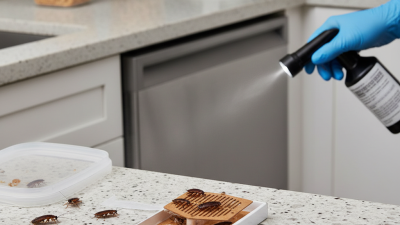
Choosing the right cockroach control product in 2026 requires more than buying the strongest-looking spray. Modern homes, restaurants, and workplaces need solutions that match the infestation, building layout, and safety conditions. A small kitchen crack can hide a large colony. Droppings near a refrigerator may reveal more than one visible insect.
This guide examines baits, gels, traps, dusts, and targeted sprays through a practical and evidence-based lens. It considers active ingredients, resistance, application accuracy, indoor air quality, and risks to children and pets. Product labels remain essential. So does correct placement. A gel bait behind a warm appliance may outperform a broad spray across the floor. That result can surprise people.
No single product works everywhere. That is worth remembering. Moisture, food access, poor sanitation, and neighboring apartments can weaken even a well-designed treatment plan. I have seen product choices fail because users focused on quick knockdown instead of long-term control. That mistake is easy to make.
The following sections explain how to compare cockroach control products, interpret label claims, and recognize when professional help is appropriate. They also address integrated pest management, which combines monitoring, exclusion, cleaning, and carefully selected treatments. Reliable control should reduce exposure, not simply create a stronger chemical smell. Readers should expect practical guidance, realistic limitations, and a few uncomfortable questions about convenience, cost, and household habits.
Understanding Cockroach Species, Infestation Signs, and Control Goals
How to Choose Cockroach Control Products in 2026?
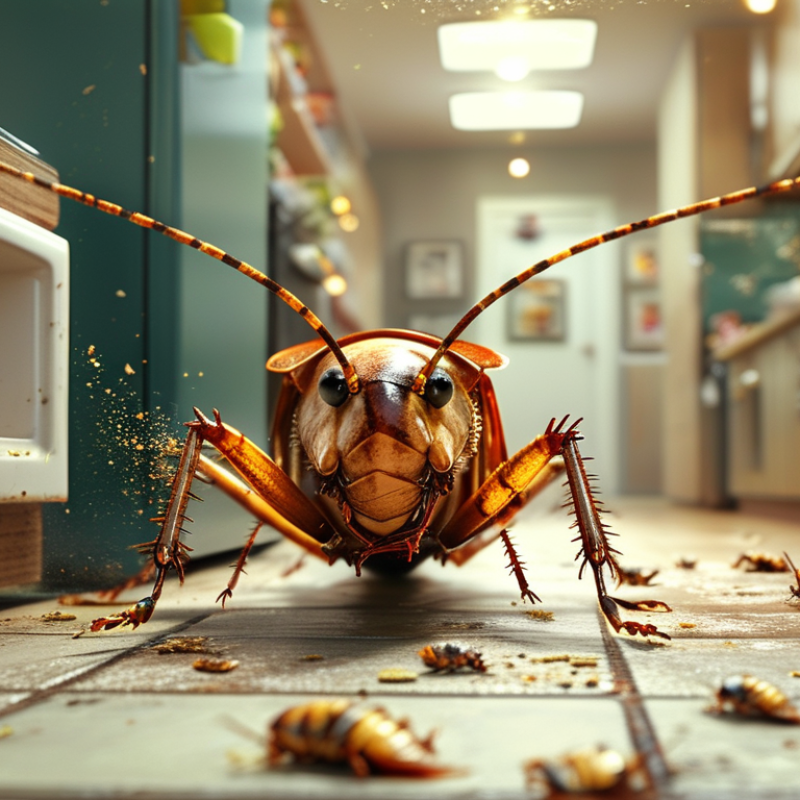
Choosing a cockroach product starts with identifying the species. German cockroaches are small, tan, and often found near kitchens or bathrooms. American cockroaches are larger and may enter through drains, doors, or foundation gaps. Oriental cockroaches prefer cool, damp areas such as basements. Identification is not always perfect. A clear photo, shed skin, or captured specimen can help a pest professional confirm it.
Tips: Look for pepper-like droppings, egg cases, greasy marks, and a musty odor. Seeing roaches during daylight may indicate heavy activity. Check beneath sinks, behind appliances, and around pipe openings. Do not rely on one sign alone. A single dead roach can mislead you.
Your control goal should guide the product choice. Traps help monitor activity. Baits can target hidden populations when placed near travel routes. Crack-and-crevice products may support prevention, but always follow the label. Avoid spraying near food, children, or pets. Reduce water leaks, clean crumbs, seal gaps, and remove clutter. Products work poorly when moisture and hiding places remain. If activity continues after careful treatment, reassess the species and infestation source. That extra check is easy to skip.
Comparing Cockroach Control Product Types and Active Ingredients
How to Choose Cockroach Control Products in 2026?
Comparing Cockroach Control Product Types and Active Ingredients
Cockroach control starts with pest behavior, not the package shape. Gel baits work well in cracks, cabinet corners, and behind appliances. They provide targeted feeding with little visible residue. Bait stations offer extra protection around children and pets. However, stations may not fit narrow gaps. Place them near droppings, grease marks, and warm plumbing routes.
Residual sprays can treat edges and voids, but broad spraying may repel cockroaches from bait. Read the label carefully. Active ingredients vary in speed and persistence. Boric acid affects insects after ingestion or grooming. Silica-based dusts work by disrupting the waxy outer layer. Indoxacarb and hydramethylnon commonly appear in bait formulations. Insect growth regulators, such as pyriproxyfen, affect development. Use only products registered for your location.
Dusts need a light, almost invisible application. Too much dust can make insects avoid the area. Sanitation still matters. A leaking pipe, open food, or cardboard stack can defeat good treatment. Monitoring traps show whether activity is declining. I would not rely on one ingredient forever. Control can fail when placement is rushed, identification is wrong, or resistance is overlooked. Check results after one to two weeks, refresh bait according to its label, and change the approach when evidence shows poor performance.
Matching Products to Indoor Areas, Infestation Levels, and Safety Needs
How to Choose Cockroach Control Products in 2026?
Product choice should follow the room, not the pest aisle. For kitchens, gel bait or enclosed bait stations work well near cabinet hinges, plumbing gaps, and refrigerator motors. Avoid placing products beside food preparation surfaces. In bedrooms, glue traps help confirm activity without adding airborne chemicals. Bathrooms need moisture-resistant stations, especially behind toilets and under vanities. The U.S. Environmental Protection Agency’s Integrated Pest Management guidance recommends monitoring, sanitation, exclusion, and targeted treatment rather than relying on repeated spraying.
Match the product to infestation level. One or two sightings may justify traps and carefully placed bait. Seeing nymphs, droppings, or daytime activity suggests a larger colony. A 2023 report from the National Pest Management Association notes that cockroaches commonly enter through cracks, drains, and utility openings, so sealing matters as much as treatment. Heavy infestations may require professional inspection and a coordinated plan. More product is not more control.
Safety needs change the decision. Households with children, pets, asthma, or food sensitivities should favor tamper-resistant stations and products with clear directions. Read the label every time. Never mix treatments. I have seen people place bait beside strong cleaners, which can reduce feeding and create needless exposure. That mistake is easy to repeat. Record where products go, check traps weekly, and reconsider the plan when results stay poor.
Checking Product Labels, Regulations, and Application Requirements
How to Choose Cockroach Control Products in 2026?
Checking Product Labels, Regulations, and Application Requirements
A product label is a legal instruction, not a suggestion. Check the active ingredient and the cockroach species listed for control. The label should state approved locations, such as kitchens, bathrooms, cracks, or outdoor areas. Never assume an indoor product is suitable for food-preparation surfaces. In 2026, registration rules can differ between countries, states, and municipalities. Verify the product in your local official pesticide registry before buying it.
Read the application rate carefully. A thicker layer does not mean faster control. Some products require gloves, eye protection, ventilation, or a specific re-entry period. Keep children and pets away until the label allows access. Remove food, dishes, and pet bowls before treatment. Follow disposal instructions for unused material and empty containers. Small details matter.
I once focused too much on killing speed and overlooked surface restrictions. That was a poor judgment. A slower product with clear instructions may be safer and more practical. Check whether the product is intended for baiting, spot treatment, or crack-and-crevice use. Do not combine products unless the label permits it. If the instructions seem unclear, ask a licensed pest professional or local authority. Labels can change, and old advice may no longer apply.
Building an Integrated Cockroach Control Plan for Long-Term Results
How to Choose Cockroach Control Products in 2026?
Building an Integrated Cockroach Control Plan for Long-Term Results
Effective cockroach control starts with inspection, not a quick product purchase. Check kitchens, drains, wall gaps, appliance motors, and warm storage areas. Look for droppings, shed skins, egg cases, and grease marks along edges. A flashlight and simple monitoring traps can reveal activity that daytime inspections miss. Record locations and dates. Small details often change the treatment plan.
Use several control methods together. Improve sanitation by removing food crumbs, standing water, and overflowing waste. Store food in sealed containers. Repair leaks and close cracks around pipes, cabinets, and doors. Place monitoring traps near suspected routes, then review them weekly. Select products according to the infestation, surface, and label directions. Baits can support targeted control, while non-chemical measures reduce shelter and food sources. Never apply more than the label allows. Keep people and pets away from treated areas as directed.
A treatment may appear successful after one week, yet hidden egg cases can hatch later. Recheck activity after treatment and adjust the plan. Avoid spraying every visible insect without identifying the source. That habit can scatter roaches into new rooms. I have also seen clean homes retain infestations because a shared wall or plumbing opening was ignored. Professional inspection is sensible when activity continues, returns quickly, or affects sensitive facilities. The plan may need revision. That is normal. Consistent records, careful product selection, and follow-up create more reliable results than one aggressive application.
Related Posts
-
How to Effectively Manage German Cockroach Pest Control Strategies?
-
What is the Best Cockroach Pest Control Method for Your Needs?
-
Top Types of Cockroach Pest Control for Global Buyers?
-
Top 10 Pests Control Tips for a Pest Free Home?
-
2026 Best Professional Bed Bug Treatment Options for a Pest Free Home?
-
What is Effective Cockroach Control for Your Home?