How to Choose the Best Bed Bug Killer Spray in 2026
Choosing the right bed bug killer spray in 2026 requires more than trusting a bold label. Bed bugs hide deeply, develop resistance, and often survive one careless treatment. A product that works on exposed insects may fail behind a headboard, inside a bed frame, or beneath a loose carpet edge.
Dr. Dini Miller, an urban pest management specialist at Virginia Tech, has emphasized, “There is no magic bullet for bed bugs.” That warning matters. Effective control depends on the active ingredient, application method, product registration, and realistic treatment expectations. A reliable bed bug killer spray should clearly identify its target pests and provide complete directions for indoor use. It should also explain ventilation, surface restrictions, reapplication limits, and precautions around children and pets.
Look for evidence, not dramatic promises. Products with different active ingredients may perform differently against local resistant populations. However, stronger language does not guarantee better results. Sometimes, the most expensive spray is not the most suitable choice. I have seen how rushed applications leave untreated seams and create false confidence.
This guide examines ingredient types, residual performance, safety instructions, odor, drying time, and practical coverage. It also considers when spraying alone may be insufficient. Heat treatment, laundering, vacuuming, encasements, and professional inspection can support a more complete plan. Small details matter. A flashlight and patience may reveal what a product label cannot. The goal is not instant perfection, but careful, informed control with fewer avoidable mistakes.
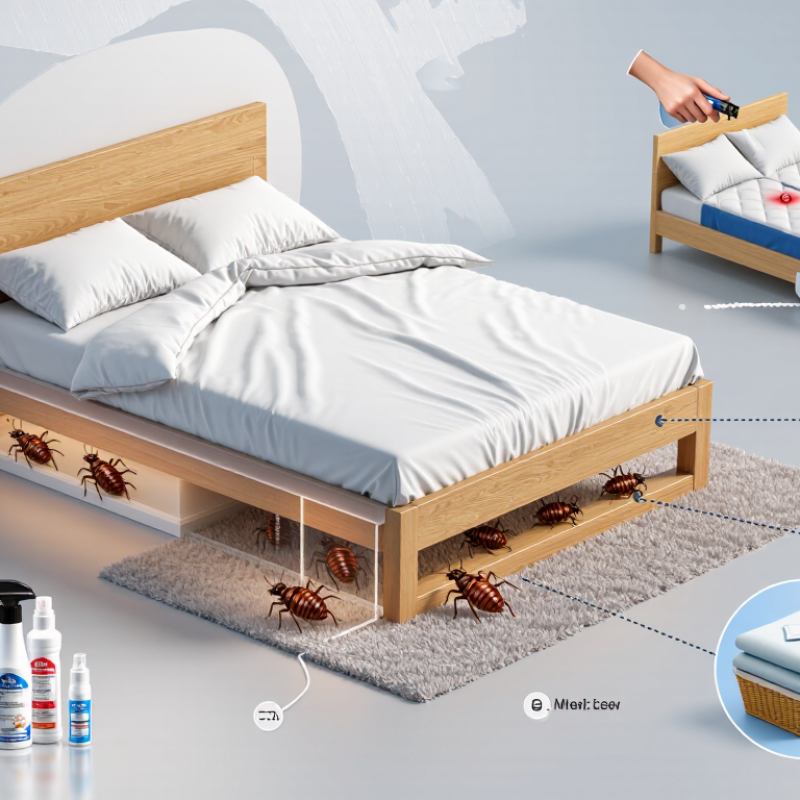
What Bed Bug Spray Is and How It Works
Bed bug spray is a liquid treatment designed to kill exposed bed bugs or leave a residue on treated surfaces. Its formula may contain contact insecticides, residual insecticides, or both. Contact products work when spray reaches the insect directly. Residual products remain active after drying, so bugs may die while crossing treated areas later.
The best bed bug killer spray in 2026 should match the infestation and the surface being treated. Check the active ingredient, approved uses, drying time, and safety directions. Some sprays target adults and nymphs but have limited effect on eggs. Others may work slowly, which can be frustrating but still useful. Bed bug populations can also resist certain chemical groups, so repeated spraying may fail.
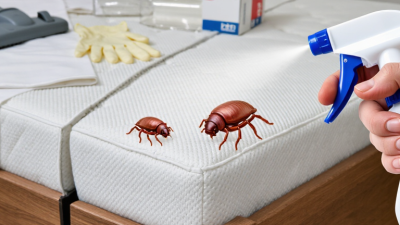
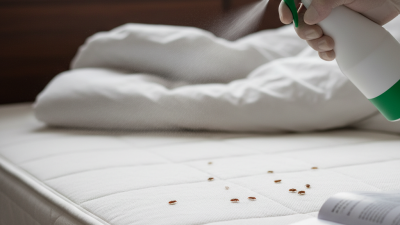
In practice, accurate application matters more than a heavy dose. Spray seams, cracks, bed frames, and nearby hiding points, not pillows or sleeping skin unless the label clearly permits it. Ventilate the room and keep children and pets away until surfaces are dry. I once assumed that a stronger smell meant stronger control. It does not. Overapplying can damage furniture and increase exposure without improving results. A flashlight, careful inspection, and follow-up checks are often needed because missed harborages can restart the problem. Eggs may hatch later.
How to Identify the Right Spray for Your Bed Bug Problem
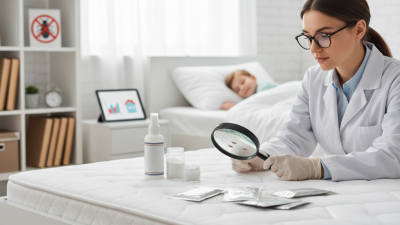
Choosing the right bed bug spray starts with identifying the infestation, not comparing bright packaging. Inspect mattress seams, bed frames, screw holes, and nearby cracks. Look for live insects, shed skins, dark fecal spots, or tiny pale eggs. Bites alone are unreliable. Skin reactions vary, and many other insects cause similar marks.
The National Pest Management Association’s Bugs Without Borders survey reports that one in five Americans has encountered bed bugs. That scale makes careful product selection important. Choose a legally registered pesticide whose label specifically lists bed bugs. Check whether it offers contact control, residual control, or both. Contact sprays may act quickly on visible insects. Residual products remain active on approved surfaces, but only when applied exactly as directed. Never spray bedding, clothing, skin, or electrical outlets unless the label clearly permits it.
Resistance complicates the decision.
Research published in the Journal of Economic Entomology has documented widespread resistance to common pyrethroid insecticides. A product that worked in one apartment may perform poorly elsewhere. That is easy to underestimate. EPA guidance also warns that pesticides alone may not eliminate an infestation. Vacuuming, heat treatment, mattress encasements, monitoring traps, and repeated inspections can support control. Avoid foggers and excessive spraying; they may scatter insects and increase exposure risks. My own practical preference would be a clearly labeled product matched to the suspected hiding places, followed by monitoring rather than hopeful reapplication. No spray should replace evidence.
Which Ingredients and Formulas Matter in 2026
Choosing a bed bug spray in 2026 requires more than reading “fast kill” on the label. The active ingredient matters. Pyrethroids may knock insects down quickly, but resistance is widespread. A Journal of Economic Entomology review found resistance across many tested bed bug populations. That finding should change how shoppers compare formulas.
Look for products combining different modes of action, where the label legally permits bed bug use. Some formulas pair a pyrethroid with a neonicotinoid. Others use desiccant dust, which damages the insect’s outer coating instead of attacking its nervous system. Insect growth regulators may affect immature stages, but they do not provide instant control. EPA registration requires tested directions, target pests, and application limits. Still, registration does not guarantee success in every room.
Tips: Check the active ingredients, not only the product name. Avoid spraying mattresses unless the label specifically allows it. Apply residual spray to cracks, bed frames, and carpet edges. A 2024 professional pest-management survey from the National Pest Management Association continued to identify bed bugs as a difficult household pest, especially in multi-unit housing. That reflects field experience, not just laboratory claims.
My practical mistake was trusting one treatment too quickly. Eggs can survive, and missed seams can restart the problem. Reinspect after the label’s stated interval. Heat, laundering, vacuuming, and monitoring traps can support treatment, but careless overapplication may increase exposure without improving control.
How to Compare Safety, Effectiveness, and Ease of Use
Choosing a bed bug killer spray in 2026 requires more than a strong smell or bold claims. Compare the active ingredient, target pests, and approved application sites on the label. A product should explain whether it kills on contact, leaves residual protection, or requires repeated treatment. In my experience, residual action matters around bed frames, baseboards, and furniture joints. Still, no spray works well through clutter or hidden eggs. Effectiveness depends on preparation, coverage, and follow-up.
Safety comes before speed. Look for clear directions about ventilation, protective clothing, drying time, children, and pets. Never spray mattresses, clothing, or skin unless the label specifically permits it. Keep food, aquariums, and personal items protected. A low-odor formula is not automatically safer. I once underestimated a small crack beside a nightstand. That mistake probably allowed activity to continue. It changed how I inspect rooms.
Tips: Photograph the label before use. Measure the area, and avoid guessing. Test a small hidden surface first. Use a flashlight to inspect seams, screw holes, and carpet edges. Do not mix products. If live bugs continue after label-directed treatments, contact a qualified pest professional. I would question any spray promising instant, permanent control. Bed bugs are persistent, and honest instructions usually acknowledge limits.
How to Apply Bed Bug Spray Correctly and Monitor Results
Choosing the best bed bug killer spray in 2026 requires more than reading the front label. Application technique often determines success. The 2023 NPMA Bugs Without Borders survey reported that 76% of pest professionals considered bed bugs among the most difficult pests to control. Their hidden behavior explains why. Bed bugs may shelter inside mattress seams, screw holes, bed frames, and nearby cracks.
Read the entire product label before spraying.
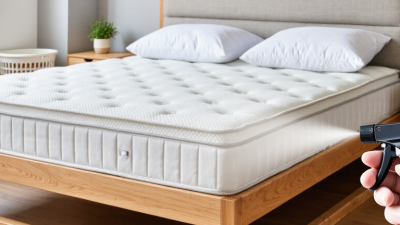
Use only the listed surfaces and application rates. Never soak bedding, clothing, mattresses, or electrical outlets unless the label specifically permits it. Wash and dry fabrics on the hottest safe setting. Then vacuum seams, floor edges, and furniture joints carefully. Apply a light, even treatment to approved cracks and crevices. Wet is not better. Excess spray can create exposure risks without improving control.
Monitor the room every seven days. Use a flashlight and inspect seams, dark spotting, shed skins, and live insects. Place approved monitoring devices under bed legs, keeping the bed away from walls and loose bedding. The U.S. Environmental Protection Agency advises following label directions and avoiding repeated applications that exceed instructions. A 2022 scientific review in the Journal of Economic Entomology also emphasized integrated control, because insecticide alone may fail against resistant populations. My own weak point is rushing the inspection. A missed sofa seam can restart the problem. Record dates, locations, and findings, then reassess treatment decisions instead of spraying automatically.



 Products
 Search