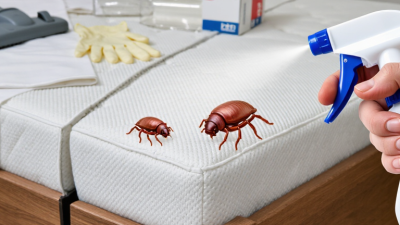
7 Tips for Choosing the Best Bed Bug Spray
Choosing the right bed bug spray can feel simple, but the wrong product may waste time and money. A strong label, clear directions, and realistic claims matter more than flashy packaging. Bed bugs often hide in mattress seams, bed frames, baseboards, and tiny cracks near sleeping areas.
Practical inspection should guide the purchase. Look for a product specifically labeled for bed bugs and suitable for indoor use. Check its active ingredients, application instructions, and safety warnings. Some sprays kill only on contact, while others may offer limited residual control. That difference matters. Always follow the product label, keep children and pets away during treatment, and ventilate the room as directed. Local pesticide authorities may also provide useful guidance.
These seven tips focus on effectiveness, safety, and value. They consider how long the product works, whether it reaches hidden spaces, and how easily users can apply it. Independent testing and manufacturer transparency can strengthen confidence, although no spray should be treated as a complete solution. I have seen people spray repeatedly without inspecting the bed frame, which rarely solves the real problem. That approach needs reconsideration. Careful laundering, vacuuming, monitoring, and professional pest control may still be necessary. Results can vary. A thoughtful choice begins with evidence, not urgency.
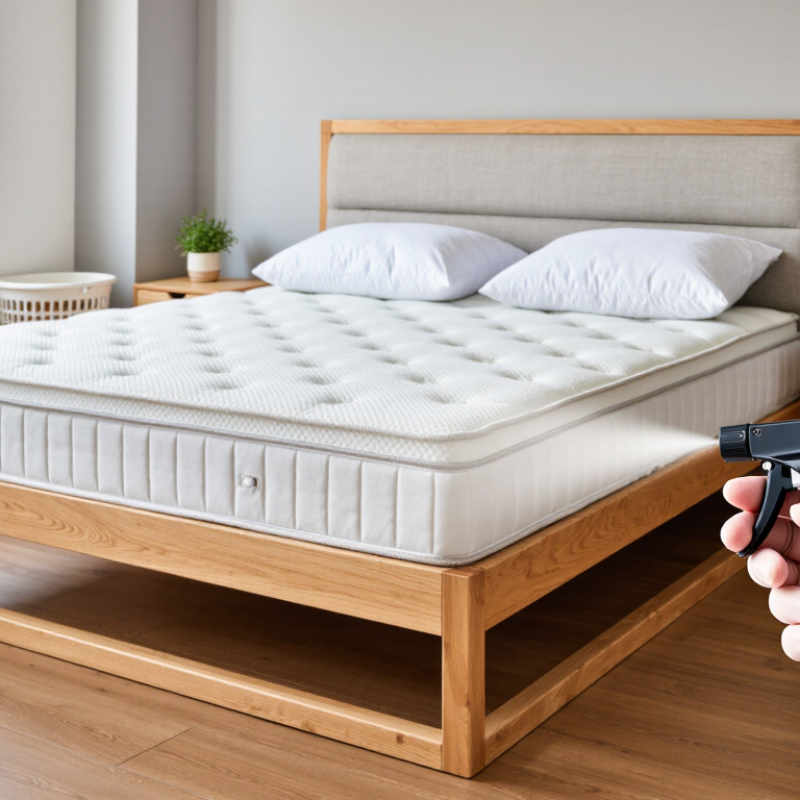
Assess the Bed Bug Problem Before Selecting a Spray
Choosing a bed bug spray should start with evidence, not panic. A few bites do not confirm an infestation. Bed bugs hide in narrow, protected spaces during daylight. Use a flashlight to inspect mattress seams, the bed frame, headboard, and nearby furniture. Look for dark fecal spots, pale shed skins, eggs, or live insects. A musty odor may occur, but odor alone is weak evidence. Check screw holes, carpet edges, and cracks near the bed. Tiny gaps matter. Capture a clear photo if possible. If signs remain unclear, seek identification from a qualified pest professional. Misidentifying fleas or carpet beetles can waste time and expose people to unnecessary chemicals.
Estimate the problem before selecting a product. One isolated insect requires a different response than repeated sightings across several rooms. Record where and when you find evidence. Choose a spray according to its labeled use and active ingredient. Bed bugs may resist some chemical groups, and no spray guarantees complete control. Some products work mainly on direct contact. Others provide limited residual protection in cracks and crevices. Never apply a product to skin, bedding, or furniture unless the label specifically permits it. Keep children and pets away during treatment. Ventilate the room as directed. Rushed treatments often miss bed frames and adjacent rooms. My inspection notes can also be incomplete, especially in cluttered spaces. Recheck hiding places and follow the label’s treatment interval. Hot drying may help with washable fabrics when the material allows it.
Compare Active Ingredients and Product Formulations
7 Tips for Choosing the Best Bed Bug Spray
Choosing a bed bug spray starts with chemistry, not colorful packaging. Check the active ingredients and their concentration on the label. Pyrethrins can kill exposed insects quickly, while synthetic pyrethroids may provide residual action on treated surfaces. However, some bed bug populations resist these compounds. More chemical does not always mean better control. Look for a registered product and follow its approved directions.
Compare the formulation carefully. Water-based sprays usually leave less odor and residue, but they may dry faster. Aerosols can reach cracks, yet overspray is easy. Ready-to-use formulas reduce measuring errors. Concentrates may cover larger areas, but incorrect dilution can reduce performance or create hazards. Desiccant-based products work differently. They damage the insect’s protective coating and remain effective when dry. Apply them only where the label permits. Never mix products.
Use contact sprays only when insects are directly hit. Choose residual formulations for bed frames, seams, and labeled hiding places. Read surface restrictions before treating mattresses or upholstery. A mattress is not a blank canvas. Vacuuming, laundering, and monitoring traps support chemical treatment, but sprays alone often disappoint. Recheck activity after treatment, because missed eggs may hatch later. Resistance can make a familiar ingredient unreliable. If results are poor, reassess identification, coverage, and the active ingredient instead of increasing the dose. That pause may prevent a bigger mistake.
7 Tips for Choosing the Best Bed Bug Spray: Compare Active Ingredients and Formulations
This chart compares the typical roles of common bed bug treatment ingredient groups. A score of 1 means the role is commonly associated with that group; 0 means it is not usually its primary role.
How to use this: Check the product label for approved application sites, directions, and safety precautions. Formulation and resistance can affect results. Silica gel is included as a desiccant comparison; it is a dust, not a spray.
Check Safety Requirements for People, Pets, and Indoor Use
Choosing the Best Bed Bug Spray: Safety Tips for People, Pets, and Indoor Use
Tip 1: Read the entire label before opening the bottle. Check whether the spray is approved for indoor use and suitable for bedrooms. Tip 2: Identify the active ingredients and follow the stated dosage exactly. More spray does not mean better control. It may leave harmful residue. Keep children, pregnant household members, and pets away during treatment. Read the label.
Tip 3: Remove food, toys, pet bowls, and uncovered toiletries from the room. Cover aquariums and turn off air pumps if the instructions require it. Tip 4: Ventilate the area well after application. Open windows when practical, but avoid spreading treated air into occupied rooms. Never spray bedding, clothing, or a mattress unless the label clearly permits it. Wash sheets in hot water and dry them thoroughly.
Tip 5: Wear the recommended gloves or protective clothing, even during a small treatment. Tip 6: Do not mix products or apply extra doses to cracks, floors, or furniture. Spot-test delicate surfaces first. Tip 7: Keep the original container and emergency instructions nearby. If anyone develops breathing trouble, dizziness, or skin irritation, leave the area and seek medical advice. A licensed pest professional can help when insects persist, although I would not rely on one treatment alone. Bed bugs often hide in seams, behind headboards, and inside nearby furniture. Safety checks can feel slow, but skipping one can create a bigger problem.
7 Tips for Choosing the Best Bed Bug Spray - Check Safety Requirements for People, Pets, and Indoor Use
| Tip | What to Check | Why It Matters | Safer, Practical Action |
|---|---|---|---|
| 1 | Confirm that bed bugs and the intended indoor location are listed on the product label. | Pesticides are approved and labeled for specific uses. A product meant for outdoor use may not be suitable indoors. | Read the full label before buying. In the United States, look for an EPA registration number and follow the label’s directions; elsewhere, check the relevant national authorization. |
| 2 | Check where the spray may be applied, including whether mattresses, bed frames, or upholstered furniture are allowed. | Some products are not labeled for surfaces that people touch or sleep on. Applying them to an unapproved surface can create exposure risks. | Apply only to the surfaces and locations expressly permitted by the label. Never spray people, pets, clothing, or bedding unless the label specifically allows that use. |
| 3 | Review precautions for children, pregnant people, and anyone with asthma, allergies, or chemical sensitivity. | Exposure and sensitivity can vary. Sprays may irritate the eyes, skin, or respiratory system, depending on the product and how it is used. | Follow the label’s evacuation, ventilation, and re-entry instructions. Keep people away during application and until the label says it is safe to return. |
| 4 | Look for specific directions for pets, including any instructions for cats, dogs, birds, or fish. | Animals can be exposed by direct contact, residues, or contaminated surfaces. Aquatic organisms may be especially vulnerable to some pesticides. | Remove pets, food and water bowls, and toys as directed. Cover or remove aquariums if required by the label, and never apply the spray directly to an animal. |
| 5 | Check drying time, ventilation requirements, and any instructions for washing or re-entering treated areas. | Residues and airborne spray can expose people and pets. “Dry” does not replace any additional precautions stated on the label. | Ventilate the room and wait the full label-specified time before allowing people or pets back in. Do not use treated areas sooner than directed. |
| 6 | Check whether the directions address eggs, repeat treatments, and pesticide resistance. | Some sprays may not kill bed bug eggs, and resistance can make certain pesticide types less effective. Treatment may require follow-up. | Use only the label-specified schedule; do not apply extra product or mix pesticides. Pair treatment with measures such as laundering and drying items on the hottest safe setting, vacuuming, and reducing clutter. |
| 7 | Read storage, disposal, and fire-safety warnings before choosing an aerosol or other spray. | Some products or containers can be hazardous if swallowed, inhaled, overheated, or used near flames. Improper disposal can also create risks. | Keep products in their original containers, locked away from children and pets. Follow the label for storage and disposal, and keep sprays away from heat, sparks, and open flames when instructed. |
Match the Spray to the Areas and Surfaces You Need to Treat
Tip 1: Match the spray to the surface.
Bed bug sprays are not interchangeable across rooms. A formula suited for cracks, floor edges, and bed frames may not belong on bedding. Hard, nonporous surfaces usually allow more direct treatment. Porous materials, such as fabric, wood, and carpet, require closer label checks. Always confirm the product is approved for the exact surface.
Tip 2: Treat hiding places, not just visible bugs.
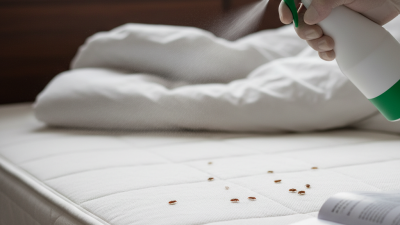
Bed bugs often hide inside seams, screw holes, drawer joints, and gaps behind furniture. Apply spray carefully to these areas instead of soaking the whole room. For mattresses, follow the label precisely and focus on seams, folds, and tags when permitted. Never spray pillows, clothing, or skin unless the label clearly allows it.
Tip 3: Consider sensitive surfaces and people.
Test a small hidden area before treating painted wood, upholstery, or finished floors. Watch for staining, peeling, or a strong lingering odor. Ventilation matters, especially in small bedrooms. Keep children and pets away until the treated area is completely dry.
A common mistake is choosing the strongest spray rather than the right one. Even careful treatment can miss a narrow crack or a bed-frame joint. Recheck those places after treatment, and follow the stated reapplication interval. More spray is not always better.
Review Label Directions, Reapplication Needs, and Expected Results
7 Tips for Choosing the Best Bed Bug Spray
A spray label is more than a usage guide. It tells you which surfaces are approved, how much product to apply, and what protective steps matter. Read every direction before opening the container. Never assume more spray means better control. Excess moisture can stain fabric, leave odors, or create unnecessary exposure. Check whether the product targets bed bugs at specific life stages. Some formulas may affect exposed insects but perform poorly against eggs.
Reapplication needs careful attention. The label may specify a waiting period, a maximum number of treatments, or a different schedule for indoor surfaces. Follow those limits exactly. Bed bug activity can continue after the first treatment because hidden insects may emerge later. Keep a simple record of treatment dates and observed activity. That small habit reduces guesswork. I once expected one application to solve everything, and that assumption delayed a better inspection.
Expected results should sound realistic, not magical. A suitable spray may reduce visible activity, but it cannot replace laundering, vacuuming, mattress encasements, and careful monitoring. Look for gradual improvement over several weeks. Fresh bites alone do not prove treatment failure, because skin reactions can appear later. If activity continues despite correct use, contact a qualified pest professional. They can identify hiding areas and suggest a safer, integrated approach. Be patient, but not passive.
Related Posts
-
What Is Bed Bug Spray and How Does It Work?
-
What Is Bed Bug Treatment and How Does It Work?
-
2025 Guide: How to Choose the Best Bed Bug Killer for Your Home
-
What is the Best Bed Bug Spray for Effective Pest Control?
-

China Top 10 Indoor Pest Control Manufacturers?
-

What is the Best Bed Bug Treatment for Effective Elimination?