
Why Use a Silane Coupling Agent?

A Silane Coupling Agent helps two unlike materials adhere: typically, a mineral surface and an organic polymer. Without that molecular link, fillers can behave like loose stones in a binder. The result may be weaker interfaces, poor moisture resistance, or uneven performance. With suitable silane chemistry, one end can bond with the inorganic surface while another interacts or reacts with the polymer. Fit matters. A silane chosen for glass fiber may not suit every resin, filler, or curing process.

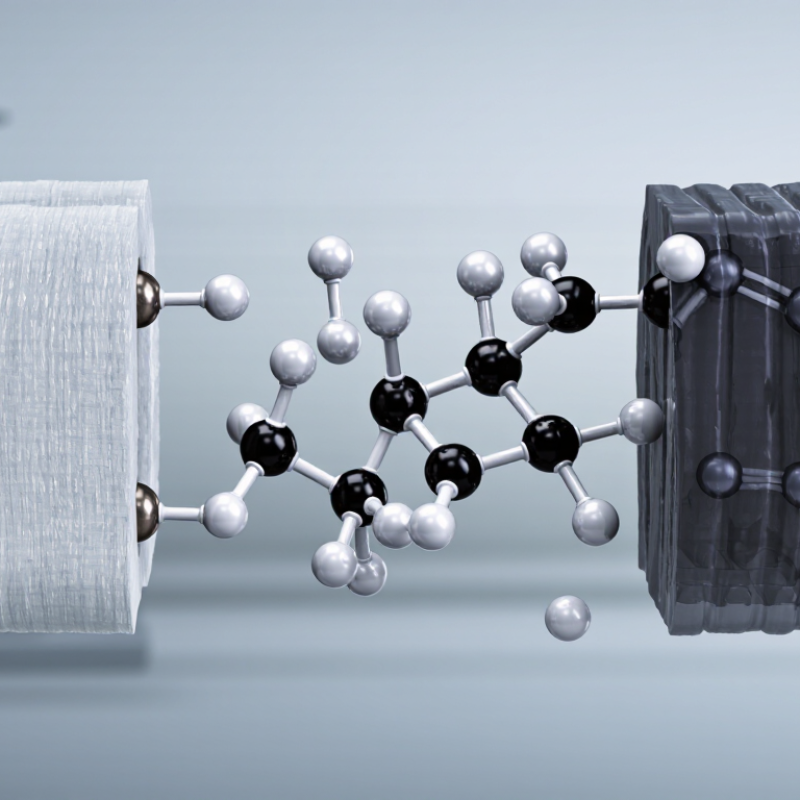
Edwin P. Plueddemann, a chemist and author of Silane Coupling Agents, is widely associated with describing these molecules as a “chemical bridge” between inorganic and organic materials. The image is useful, though real interfaces are more complicated than a bridge. Surface preparation, moisture, dosage, and processing temperature can all change the outcome. A coupling agent is not a universal fix.

Market context also deserves careful reading. Grand View Research’s 2024 Silane Market report estimated the broader global silane market at about USD 1.7 billion in 2023. That figure covers silanes beyond coupling agents, so it should not be presented as the coupling-agent market alone. Still, it signals the scale of silane use across industrial applications. This guide explains why formulators use a Silane Coupling Agent, what performance gains to expect, and where testing is essential. Small formulation changes can matter. And results should be verified in the actual material system.
Why Use a Silane Coupling Agent?

What a Silane Coupling Agent Is

Why Use a Silane Coupling Agent?
What a Silane Coupling Agent Is

A silane coupling agent is a small organosilicon compound used to improve contact between unlike materials. One end of its molecule can interact with inorganic surfaces, such as glass, silica, or mineral fillers. The other end can bond or interact with an organic material, including certain resins. Think of it as a molecular bridge. Not magic.

Many silanes contain groups that react with water and form silanol groups. These can attach to hydroxyl-rich surfaces, such as clean glass fibers. The molecule’s organic end is selected to suit the surrounding resin or coating. When the chemistry is compatible, the interface may resist moisture and stress better. A treated glass fiber, for example, can stay more firmly connected within a polymer matrix.

Results depend on the details. Surface cleanliness, moisture, dosage, and curing conditions all matter. Too much silane can sometimes create a weak, uneven layer rather than a stronger bond. The right choice also depends on the materials being joined; one type will not suit every resin or filler. In practice, small formulation changes can shift performance, so testing under real processing conditions is essential. A neat theory may still behave differently on a production line.

How Silane Agents Bond Inorganic and Organic Materials

Why Use a Silane Coupling Agent?

A silane coupling agent helps join an inorganic surface to an organic resin. Its alkoxy groups hydrolyze in moisture, forming silanol groups. These can condense with hydroxyl-rich glass or mineral surfaces, creating siloxane bonds. The molecule’s organic end can then react with, or interact strongly with, a compatible polymer. One end anchors. The other meets the resin. This molecular bridge can improve stress transfer and reduce moisture-driven separation in composites. The interface is rarely perfect; surface cleanliness, water content, pH, and curing conditions all affect the result.

The practical value is clear in glass-fiber composites, where a weak boundary can limit load transfer. The Global Wind Energy Council’s Global Wind Report 2024 recorded 117 GW of new wind capacity installed worldwide in 2023, reflecting the scale of composite-heavy blade production. That figure does not measure silane use, but it shows why reliable fiber–resin interfaces matter. In production, engineers often adjust silane concentration and drying conditions, then test adhesion and mechanical performance. Small changes matter. Too much treatment can leave a brittle or poorly bonded layer, so the best formulation still needs verification with the actual fiber and resin.

Key Functions in Composite Materials

Why Use a Silane Coupling Agent?
Key Functions in Composite Materials

A silane coupling agent helps connect inorganic surfaces, such as glass fibers or mineral fillers, with an organic polymer. Its molecules can form bonds with suitable surface sites while their organic groups interact or react with the resin. This creates a more compatible interface. The mechanism sounds tidy; real formulations are less tidy.

At the interface, silanes can improve wetting and help transfer stress between filler and matrix. A well-treated glass fiber may stay bonded as the surrounding resin flexes. Silane treatment can also reduce moisture-related weakening, though results depend on the material pair, treatment level, and processing conditions. Too little may leave surface sites untreated. Too much can create a weak, poorly bonded layer. The best choice is not automatic. Test the actual composite, including after heat or humidity exposure, and check dispersion as well as strength.

Tips: Match the silane’s functional group to the resin and surface chemistry. Follow the supplier’s handling and drying guidance, then compare treated and untreated samples. Small changes in moisture or mixing can matter. Record them.

Why Use a Silane Coupling Agent? — Key Functions in Composite Materials

Key Function How It Works Typical Materials Potential Composite Benefit Important Consideration
Improve interfacial adhesion Hydrolyzable groups on the silane can form siloxane bonds with hydroxylated inorganic surfaces. The organofunctional group can interact or react with a compatible polymer matrix. Glass fiber, silica, alumina, and other hydroxylated mineral surfaces in polymer composites Can improve bonding between the inorganic reinforcement or filler and the organic resin. Performance depends on surface chemistry, silane selection, application conditions, and resin compatibility.
Support stress transfer A stronger interface helps transfer mechanical load from the polymer matrix to reinforcing fibers or particles. Glass-fiber-reinforced thermosets and mineral-filled polymers May improve tensile, flexural, or impact performance when the interface is a limiting factor. Results also depend on fiber orientation, filler loading, matrix properties, and composite processing.
Increase resistance to moisture-related degradation Surface treatment can reduce the number of weak, water-accessible regions at the filler–matrix interface. Glass-reinforced polyester, epoxy, and other composites used in humid or wet environments Can help preserve interfacial adhesion during exposure to moisture. A coupling agent does not make a composite waterproof; resin choice, cure, void content, and exposure conditions remain important.
Improve filler compatibility and dispersion Changing the surface chemistry of an inorganic filler can make it more compatible with a selected polymer or formulation. Silica-, clay-, and mineral-filled plastics, elastomers, and coatings May reduce filler agglomeration and improve consistency in mixing and processing. Dispersion benefits are formulation-dependent; excess or poorly applied silane can create processing or performance problems.
Match the interface to the resin chemistry The silane’s organofunctional group is selected to suit the matrix. For example, methacryloxy silanes are used with some unsaturated polyester and vinyl ester systems, while amino- or epoxy-functional silanes may suit selected epoxy formulations. Glass or mineral reinforcement used with thermoset resin systems Can promote more effective interaction between the treated surface and the curing polymer. Compatibility must be verified for the specific resin, curing system, and process.
Enable tailored surface treatment Silane type and treatment conditions can be adjusted for the substrate and intended application. Glass fibers, silica, metal oxides, and other suitable inorganic surfaces Provides a practical way to modify an inorganic surface without changing the bulk polymer formulation. Hydrolysis, solution pH, moisture, drying, and treatment level can affect the resulting surface layer.

Silane coupling agents are most effective when the silane chemistry and treatment process are matched to both the inorganic surface and the polymer matrix.

Common Applications of Silane Coupling Agents

Why Use a Silane Coupling Agent?

Common Applications of Silane Coupling Agents

Silane coupling agents help connect inorganic surfaces with organic materials. This makes them useful in glass-fiber composites, where stronger adhesion can improve load transfer between fibers and resin. They are also used with mineral-filled plastics, such as compounds containing silica or calcium carbonate. Better interfacial bonding may reduce filler pullout and improve product consistency. Results depend on the materials and processing conditions.

In coatings and adhesives, silanes can support bonding to glass, metals, and mineral surfaces. A treated glass panel, for example, may hold a coating more reliably after exposure to moisture. Silanes also appear in sealants and some concrete treatments, where surface compatibility matters. They are not a universal fix. Poor surface preparation or an unsuitable silane can produce little benefit, and sometimes the treated material performs worse than expected.

Tips: Match the silane to both surfaces, then test a small sample. Control moisture and application rate; too much can leave a weak, uneven layer. Keep records of curing conditions. A simple comparison test often reveals problems early.

Factors That Influence Silane Agent Selection and Performance

Why Use a Silane Coupling Agent?
Factors That Influence Silane Agent Selection and Performance

Silane coupling agents can improve adhesion between inorganic surfaces and organic materials. Their performance depends on matching the silane’s reactive groups to both sides of the interface. A silane may hydrolyze in moisture, forming silanol groups that can bond with glass, silica, or metal oxide surfaces. Its organic group must also suit the resin or polymer. That match is not automatic. For example, a silane chosen for an epoxy system may perform differently in a polyester formulation.

Selection also depends on surface cleanliness, water content, pH, solvent, concentration, and application method. Excess moisture can cause silane molecules to react with each other before reaching the surface. Too little can limit hydrolysis. Coating thickness and curing temperature matter, too. Real substrates are rarely perfectly uniform, so small process changes can shift results.

Tips: Test the silane in your actual formulation. Record surface preparation, humidity, dosage, and cure conditions. Compare adhesion after heat or moisture exposure, not only immediately after application.

A useful evaluation checks both initial bonding and durability. Examine failure surfaces: adhesive failure at the interface suggests a different issue than cohesive failure within the coating. A neat laboratory result can still mislead if production mixing or drying differs. It is worth questioning a promising result and repeating the test under realistic conditions. Small trials often reveal whether the silane improves wetting, bonding, or both.

chevron-right