
Top 10 Best Bed Bug Killers for Global Buyers
Bed bugs are small, persistent, and increasingly difficult to manage across homes, hotels, and rental properties. The U.S. National Pest Management Association’s 2018 Bugs Without Borders survey reported that 97% of pest professionals treated bed bugs during the previous year. About 66% considered them the most challenging pest to control. These figures reveal why global buyers need more than attractive packaging or dramatic online claims.
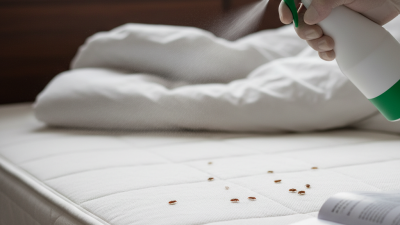
A best bed bug killer should be judged by evidence, formulation, safety directions, and suitability for local conditions. The U.S. Environmental Protection Agency recommends an integrated pest management approach, combining inspection, laundering, heat treatment, monitoring, and correctly applied registered products. Active ingredients also matter. Pyrethroid resistance has reduced performance in some bed bug populations, according to research summarized by university extension specialists. Results can vary.
Michael F. Potter, an entomologist at the University of Kentucky, stated, “Bed bugs are not a sign of poor sanitation.” That reminder matters. Clean rooms can still hide insects inside mattress seams, screw holes, and electrical cracks. This guide compares leading bed bug killers for international buyers, including sprays, dusts, traps, and heat-based solutions. It considers active ingredients, application limits, odor, residue, packaging, and practical availability.
No ranking is flawless.
A product that works in one apartment may disappoint elsewhere. Resistance, temperature, and application quality can change the outcome. Buyers should read local labels, avoid unsafe mixing, and consider professional inspection when infestations persist. The goal is not a miracle bottle. It is a safer, better-informed decision.
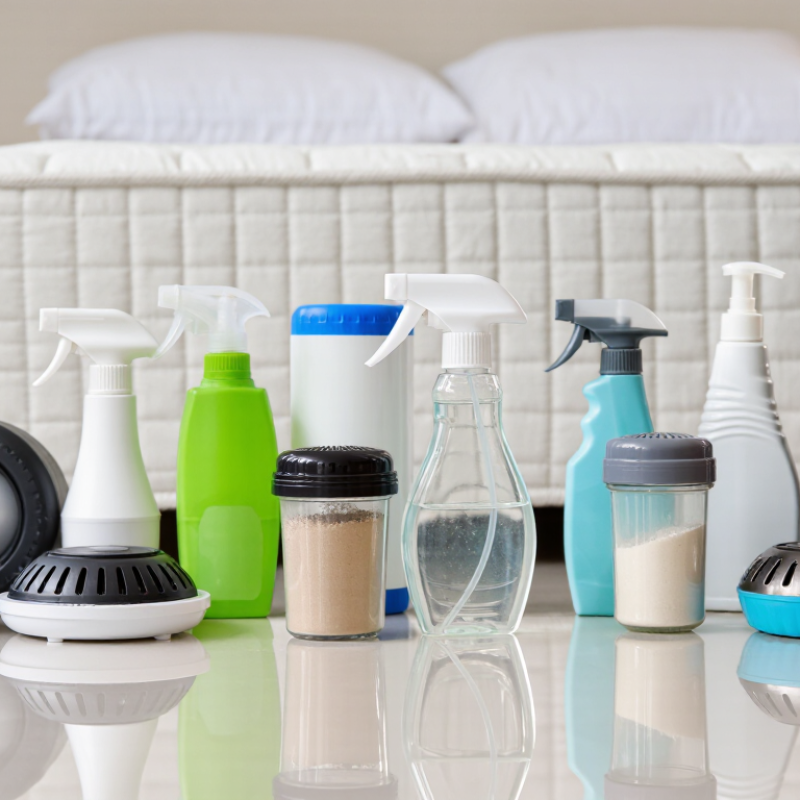
Bed Bug Biology, Signs, and How Infestations Spread
Bed bugs are small, flat insects that feed mainly on blood at night. Adults often hide in mattress seams, bed frames, sofa joints, and loose wallpaper. Their bodies become reddish and swollen after feeding. Eggs are tiny, pale, and cemented into narrow cracks. Nymphs shed several skins as they grow. Warm rooms and nearby hosts help infestations develop quickly.
Look for black fecal spots on sheets, rusty stains, shed skins, or a sweet, stale odor. Bite marks alone are unreliable because skin reactions differ widely. A common mistake is treating every itchy mark as proof of bed bugs. Careful inspection matters more. Use a flashlight around screw holes, fabric folds, and carpet edges. A professional inspection can confirm signs that casual searching misses.
Infestations spread through luggage, used furniture, clothing, and bedding. They may move between apartments through wall gaps, electrical openings, or shared corridors. They do not usually jump or fly. They crawl. Effective control depends on the insect’s biology, not a single quick treatment. Wash and dry suitable fabrics at high heat, reduce clutter, and isolate suspect items safely. When choosing a bed bug killer, check its approved use, treatment surface, safety directions, and required reapplication. Follow the local label exactly. Even experienced people can miss eggs, so monitoring after treatment remains essential.
Key Criteria for Comparing Bed Bug Killers Worldwide
When comparing bed bug killers worldwide, start with the active ingredient and its mode of action. Products with different chemical groups may help reduce resistance problems. Check the label carefully. Legal registration, permitted uses, and safety instructions vary by country.
A reliable comparison also considers formulation, residual control, and application accuracy. Sprays may reach mattress seams, while dusts can remain effective in dry wall gaps. Temperature and humidity matter. In tropical rooms, performance may change faster than expected. In colder climates, bed bugs may hide longer and delay visible results. Look for independent testing, clear dosage guidance, and evidence from realistic indoor trials.
Practical inspections often reveal the real weakness: missed harborages. Bed frames, screw holes, skirting boards, and nearby luggage need attention. A product should support an integrated plan, not replace cleaning, monitoring, and professional assessment.
Never judge performance from one night. Eggs can survive treatment, and follow-up timing is essential. The strongest option on paper may fail after poor preparation. That is worth admitting.
Compare odor, staining risk, ventilation requirements, packaging quality, and child or pet precautions before purchase. A clear label is not a minor detail. It is evidence of responsible manufacturing and safer use.
The Top 10 Bed Bug Killers by Treatment Type and Effectiveness
Bed bug control works best when treatment matches the infestation, room layout, and local rules. Heat treatment can reach hidden insects in mattresses, furniture, and wall gaps. It is fast, but poor sealing or cold pockets can leave survivors. Steam is useful around seams, bed frames, and carpet edges. It kills on contact, yet it does not protect treated surfaces later.
Desiccant dust works differently. It damages the insect’s outer coating and can remain effective when kept dry. Results are slower, and excessive dust may reduce performance. Residual insecticides can support wider coverage, but effectiveness depends on correct application and insect resistance. Traps help confirm activity, not eliminate an established infestation. In my experience, combining inspection, heat or steam, and carefully selected residual treatment gives more reliable results. Still, no method is perfect. Missed eggs can restart the problem.
Tips: Wash and dry bedding on the hottest safe setting. Keep clean items sealed in bags. Move furniture only after inspection, or insects may spread. Avoid unsafe homemade mixtures and never use outdoor chemicals indoors. Check treatment labels, ventilation requirements, and local regulations before use. If bites or sightings continue after repeated treatment, consult a licensed pest professional. Consistent follow-up matters more than a single dramatic application.
Top 10 Best Bed Bug Killers for Global Buyers
Evidence-informed effectiveness by treatment type
The index combines documented ability to kill bed bugs across life stages, reach hidden infestations, and reduce reinfestation when correctly applied. Heat and steam can be highly effective when professional temperature and coverage requirements are met; desiccant dust works more slowly but remains useful in cracks and voids. Vacuuming and laundering are valuable supporting measures rather than complete stand-alone treatments.
Reference basis: U.S. Environmental Protection Agency bed bug control guidance, University extension pest-management guidance, and public-health recommendations. The 0–100 scores are a comparative editorial index, not laboratory kill-rate percentages.
Safety, Regulations, and Proper Use Across Different Countries
Choosing among the top 10 bed bug killers requires more than comparing prices or claimed killing speed. Regulations differ widely between countries. A product approved for indoor use in one market may be restricted elsewhere. Check the active ingredient, registration number, approved room types, and importer details before purchase. Customs rules may also affect aerosols, concentrates, and treated materials.
Safety begins with the label, not online reviews. Follow the local instructions exactly. Wear the listed protective equipment, keep children and pets away, and ventilate treated rooms as directed. Never spray mattresses, clothing, luggage, or skin unless the label specifically permits it. Wash bedding on the hottest safe cycle, dry it thoroughly, and inspect bed frames, seams, and nearby furniture. Chemical treatment alone may fail when eggs remain hidden.
Small details matter.
Use only products legally registered in your country. Avoid mixing pesticides, increasing the dosage, or applying a product outdoors without permission. Professional pest controllers may be required for apartments, hotels, schools, or repeated infestations. Buyers should keep the package, label, batch information, and purchase record. These details help with medical advice, complaints, or regulatory checks.
Even careful users can make mistakes. I would question any product promising instant, permanent control. Resistance can reduce performance, and one treatment may not be enough. Local authorities and licensed professionals usually provide the most reliable guidance when regulations or infestation conditions are unclear.
How to Choose the Best Bed Bug Killer for Your Situation
Top 10 Best Bed Bug Killers for Global Buyers
Choosing the best bed bug killer starts with identifying your situation. Check mattress seams, bed frames, and nearby cracks for live insects or dark spotting. A small, recent problem may need a targeted contact treatment. Larger infestations often require residual treatment, laundering, vacuuming, and professional inspection. No single product solves every case.
Read the active ingredients and safety directions carefully. Choose products approved for your country and suitable for indoor use. Never apply a treatment to skin, bedding, or clothing unless the label clearly permits it. Consider odor, drying time, ventilation needs, and whether children or pets share the room. Bed bugs can resist some ingredients, so repeating the same method may fail. I have seen people treat only the mattress and ignore the bed frame. That mistake gives insects a safe route back.
Tips: Wash fabrics on the hottest safe setting and dry them fully. Store clean items in sealed bags. Vacuum seams slowly, then empty the vacuum outdoors. Use a mattress encasement with a reliable zipper. Monitor traps weekly for several weeks. Heat can help, but uneven temperatures may leave hidden insects alive. If bites continue or insects spread, contact a licensed pest professional. Local rules matter, especially when buying treatments internationally.
Top 10 Best Bed Bug Killers for Global Buyers - How to Choose the Best Bed Bug Killer for Your Situation
| Rank | Bed Bug Killer or Method | Killing Mechanism | Typical Speed | Residual Protection | Best Use | Main Advantages | Important Limitations |
|---|---|---|---|---|---|---|---|
| 1 | Professional Whole-Room Heat Treatment | Raises room and object temperatures high enough to kill bed bugs and eggs through heat exposure. | Several hours | None | Severe or widespread infestations in rooms, apartments, hotels, and furnished properties. | Can treat many hiding places at once; works against eggs when properly monitored. | Requires trained operators, temperature monitoring, preparation, and removal of heat-sensitive items. |
| 2 | Steam Treatment | Direct high-temperature steam kills exposed bugs and eggs on contact. | Immediate on contact | None | Mattress seams, bed frames, cracks, upholstery, and other heat-tolerant surfaces. | Leaves no pesticide residue and can reach some fabric seams. | Only treats areas reached by steam; slow movement or excessive moisture can reduce effectiveness or damage materials. |
| 3 | Silica-Gel Desiccant Dust | Abrades and absorbs the insect’s protective wax layer, causing dehydration. | Days to weeks | Long-lasting when dry and undisturbed | Cracks, wall voids, bed-frame joints, and other protected harborages. | Does not depend on conventional insecticide resistance; remains active when dry. | Must be applied as a thin layer in permitted locations; dust should not be inhaled or spread on exposed surfaces. |
| 4 | Portable Heat Chamber | Controlled heat penetrates luggage, clothing, bedding, and small household items. | Several hours | None | Travel luggage, clothing, books, shoes, toys, and removable belongings. | Useful for isolated items and travel-related prevention without chemical residue. | Limited capacity; requires correct loading, temperature control, and sufficient exposure time. |
| 5 | High-Heat Clothes Dryer | Sustained hot-air exposure kills bed bugs and eggs in suitable textiles. | About 30 minutes or longer | None | Clothing, bedding, curtains, and other dryer-safe fabrics. | Widely available, inexpensive, and effective for treating removable textiles. | Does not treat furniture, mattresses, walls, or items that cannot tolerate heat. |
| 6 | Vacuuming with a Crevice Tool | Physically removes visible bugs, cast skins, eggs, and debris from accessible areas. | Immediate removal | None | Initial cleanup and reduction of activity around seams, edges, and cracks. | Low chemical exposure and useful as part of an integrated treatment plan. | Cannot reliably remove hidden infestations; contents must be sealed and discarded or cleaned safely after use. |
| 7 | Pyrethroid-Based Residual Spray | Affects insect nerve signaling after contact or movement across treated surfaces. | Hours to days | Product- and surface-dependent | Cracks, baseboards, bed frames, and other label-approved surfaces. | Common formulation type with useful residual activity when correctly applied. | Resistance is widespread in some bed bug populations; never apply to mattresses or clothing unless the label specifically permits it. |
| 8 | Neonicotinoid Combination Spray | Combines nerve-system activity with a second active ingredient to improve control of some resistant populations. | Hours to days | Product- and surface-dependent | Targeted treatment of harborages and surfaces listed on the local product label. | May provide an alternative where pyrethroid resistance is suspected. | Availability and permitted uses vary by country; repeated applications must follow the label and local regulations. |
| 9 | Chlorfenapyr-Based Residual Treatment | Disrupts energy production inside the insect after exposure and delayed uptake. | Several hours to days | Product- and surface-dependent | Professional or carefully controlled treatment where permitted by local regulation. | Different mode of action can be valuable in resistance-management programs. | Delayed kill; availability, application rules, and indoor-use permissions differ internationally. |
| 10 | Bed Bug Interceptor Traps and Encasements | Traps isolate and monitor movement; encasements prevent bugs from entering or leaving mattresses and box springs. | Monitoring: immediate Control: weeks to months |
Continuous while intact and maintained | Early detection, bed isolation, and long-term monitoring after treatment. | Non-toxic, reusable, and useful for confirming whether activity remains. | Does not eliminate an infestation alone; requires regular inspection and correct installation. |
Buyer note: Product registration, permitted active ingredients, application sites, and safety requirements differ by country. Always verify the local label or consult a licensed pest-management professional. Avoid using outdoor pesticides indoors, and do not apply any product to skin, bedding, mattresses, or clothing unless the label specifically allows it.
Related Posts
-
2026 How to Choose the Best Bed Bug Treatment for Your Home?
-
2026 Best Professional Bed Bug Treatment Options for a Pest Free Home?
-

Top 10 Bed Bug Killer Products You Need to Know?
-
How to Choose the Most Effective Bed Bug Treatment in 2026
-
2026 Best Bed Bug Killer Options for Effective Pest Control?
-
What is the Best Bed Bug Spray for Effective Pest Control?