How to Effectively Control Pests in Your Home and Garden?
Pests control is a significant concern for homeowners and gardeners alike. A variety of pests can invade our living spaces, from ants and roaches to aphids and whiteflies. These unwelcome guests can damage plants and contaminate food. Understanding effective strategies for pest control is crucial.
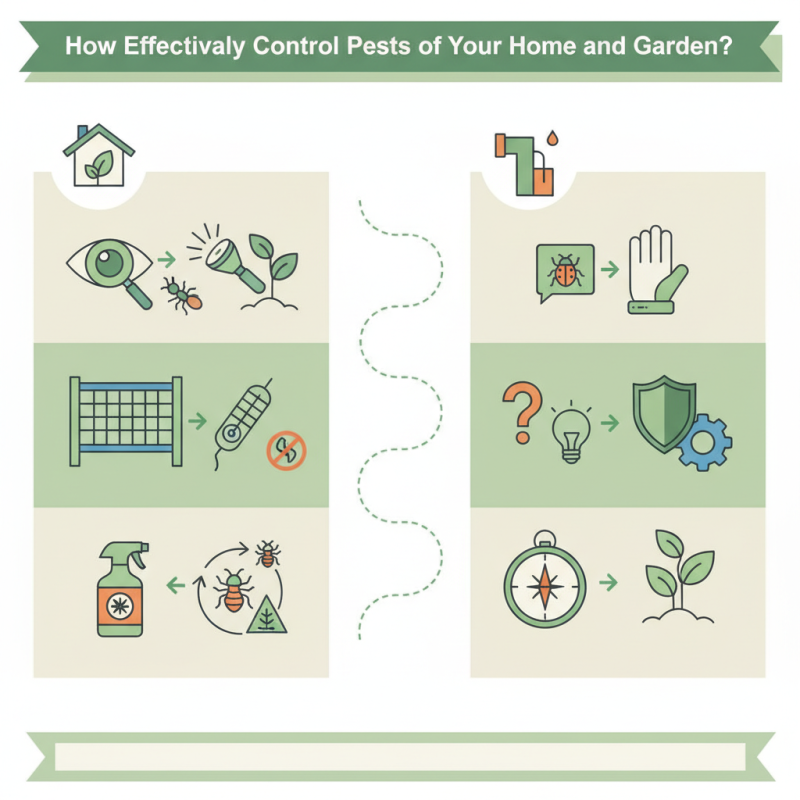
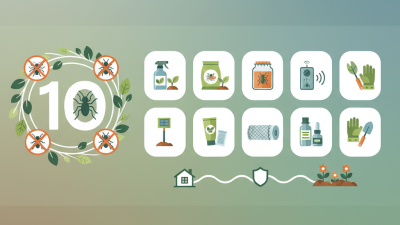
Effective pest control requires a mix of prevention and intervention. Regularly inspecting your home and garden can help you spot problems early. Using barriers like nets and traps is essential for stopping pests before they escalate. However, it’s important to remember that no method is foolproof. Pests may still find a way in despite your best efforts.
Relying solely on chemical solutions can lead to issues too. These can harm beneficial insects and disrupt the ecosystem. Finding a balance is key to sustainable pests control. You may face challenges, and some attempts may fail. Each experience is a chance to learn and improve your approach. Ultimately, effective pest control is a journey of vigilance and adaptation.
Understanding Common Household and Garden Pests: Identification and Impact
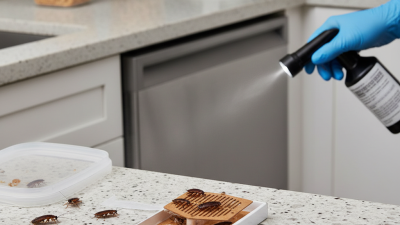
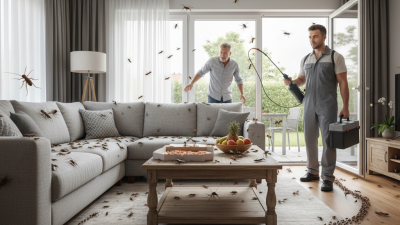
Identifying common household and garden pests is crucial for effective control. Ants are often drawn to food sources. They can invade your kitchen in no time. A single ant can lead to many more. Look for trails to find their entry points. Other common pests include cockroaches, which thrive in damp areas. A cockroach sighting isn't just alarming; it's a health risk. They can spread allergens and pathogens.
In gardens, pests like aphids can devastate plants. They suck the juices from leaves, stunting growth. You might notice curled or yellowing leaves. To tackle them, natural predators like ladybugs can help. Slugs are another problem. They chew through tender seedlings at night. Their slimy trails are a telltale sign of their presence. These challenges can feel overwhelming.
Sometimes, the problem feels bigger than our solutions. You might think you’ve identified a pest correctly only to find out it was a harmless bug. Experimenting with different control methods requires patience. Not every strategy will work as expected. Keeping a journal of what you've tried can help. Reflecting on your efforts may lead to better outcomes down the road.
Common Household and Garden Pests: Identification and Impact
Integrated Pest Management (IPM): Principles and Benefits for Homeowners
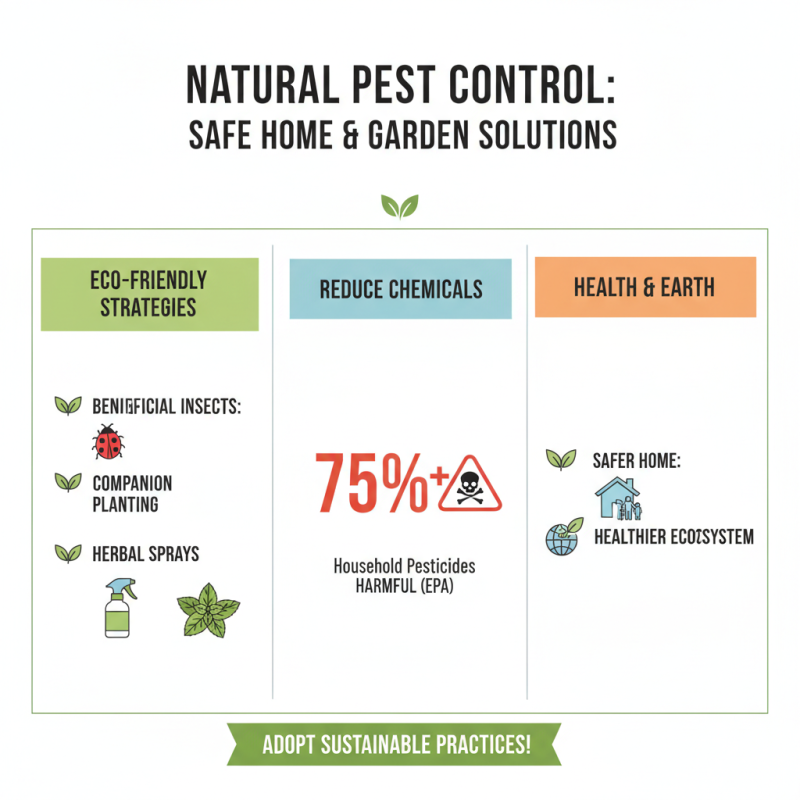
Integrated Pest Management (IPM) is a powerful approach for homeowners. It combines various strategies to control pests while reducing environmental impact. This method focuses on prevention and management rather than eradication. It encourages natural pest control. For example, beneficial insects like ladybugs can help manage aphid populations.
One key principle of IPM is monitoring. Regularly inspect your home and garden for signs of pests. Early detection can prevent bigger problems. Simply removing debris or cleaning gutters can deter pests. Additionally, using physical barriers, like row covers, can keep pests away from plants. Some homeowners may struggle with timing their interventions. It's easy to overlook signs until it's too late.
Education is another vital aspect of IPM. Homeowners should learn about local pest species and their life cycles. Understanding these details helps in making informed decisions. Sometimes, trial and error occurs. A method may not work as expected, leading to frustration. Yet, adjusting strategies is part of the learning process. Embracing this journey can lead to better pest control outcomes in the long run.
Chemical Pest Control: Safe Usage, Regulations, and Environmental Considerations
Chemical pest control can be effective, but it requires careful consideration. Many people overlook the potential hazards associated with pesticide use. It is important to read labels and follow instructions closely. Improper usage can lead to harm for pets, children, and beneficial insects. One should always wear protective gear during application.
Understanding the regulations surrounding chemical pest control is crucial. Different regions have varying laws regarding pesticide use. Do some research to know what’s allowed in your area. It's vital to dispose of any leftover chemicals responsibly. Communities often hold hazardous waste collection events to help with this.
Environmental considerations must also be taken into account. Chemicals can seep into waterways and harm aquatic life. Regularly observe your garden for alternative pest control methods, like using natural predators or barriers. These practices can keep your ecosystem healthier. Reflecting on the choices made is necessary. Sometimes, relying solely on chemicals may not be the best practice.
Preventative Measures: Best Practices to Deter Pests in Urban and Rural Settings
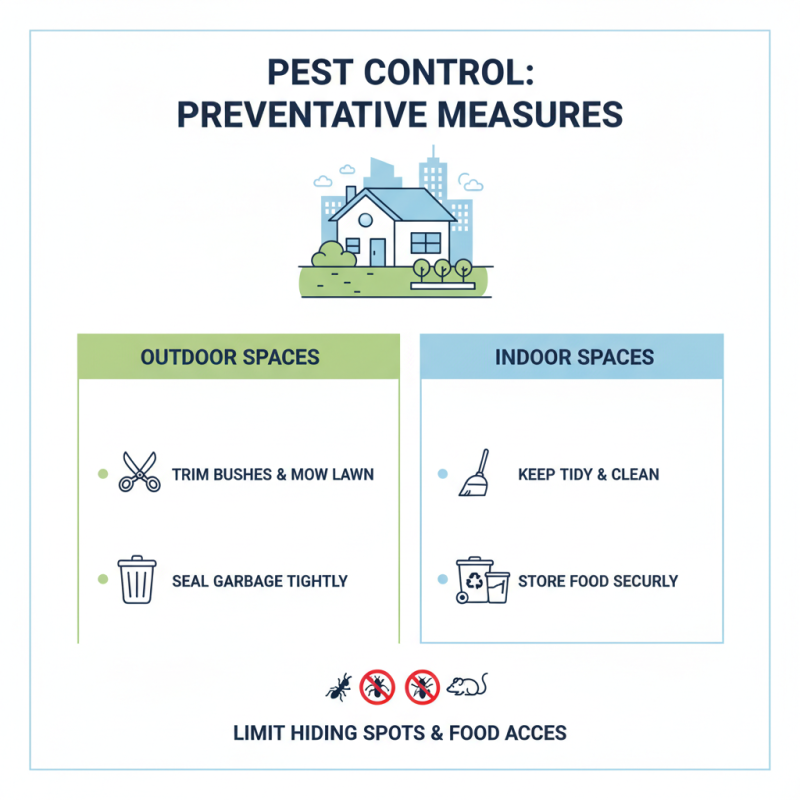
In urban and rural settings, preventative measures play a crucial role in pest control. Keeping your outdoor and indoor spaces tidy is essential. Regularly trim bushes and mow the lawn to limit hiding spots. Ensure that garbage is sealed tightly. This simple action prevents pests from easily accessing food sources.
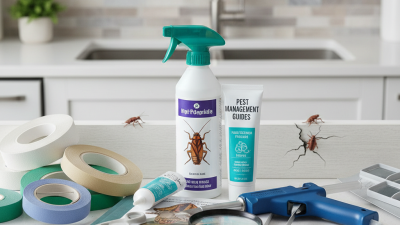
Indoor areas also need attention. Regular cleaning can significantly reduce infestation risks. Make sure to vacuum under furniture and behind appliances. Sealing cracks and crevices is vital as well. Small openings can allow pests easy entry into your home. However, it’s easy to overlook these areas. Sometimes, we forget to check behind the fridge or under the sink. These gaps often become a pest’s welcome mat.
Creating natural barriers is another effective strategy. Planting herbs like mint and basil can deter unwanted insects. Additionally, introducing beneficial insects can help maintain a balance in your garden. However, many people hesitate to explore these options. Not everyone is comfortable with alternatives to chemical pest control. The challenge lies in finding a balance that works for you and your environment.




 Products
 Search