Top Strategies for Effective Insect Control Methods?
Effective insect control is essential in protecting our homes and health. Insects can damage property and spread diseases. Finding the right strategies for control is crucial.
One common method is to use traps. These can attract and capture pests. However, traps alone might not suffice. Integrating preventive measures can enhance their effectiveness. For instance, sealing entry points limits insect access.
Natural solutions also play a vital role. Planting specific herbs may deter unwanted insects. Yet, reliance on these methods can lead to unexpected failures. Regular inspection remains necessary. Remember, effective insect control requires a mix of strategies tailored to specific needs.
Understanding Insect Biology and Behavior for Better Control
Understanding insect biology is crucial for effective control. Insects have unique life cycles. They reproduce quickly, making them hard to manage. For example, a single female mosquito can lay hundreds of eggs in a week. This rapid reproduction can lead to infestations. Recognizing the stages of an insect's life can guide control efforts.
Behavior is equally important. Many insects are attracted to light, while others prefer dark and damp environments. Ants, for instance, follow scent trails to food sources. Disrupting these trails can be an effective way of controlling them. It's essential to observe their patterns. Simple changes in the environment can create barriers or reduce food sources.
It's easy to overlook these details. Not all strategies work universally. Sometimes, a method fails due to a lack of understanding. Improper identification of the pest may lead to ineffective treatments. Careful observation and adjustment of approaches are necessary for better results. We must continually learn and adapt our strategies based on insect behaviors.
Top Strategies for Effective Insect Control Methods
| Control Method |
Target Insects |
Effectiveness |
Application |
| Biological Control |
Aphids, Caterpillars |
Moderate to High |
Releasing natural predators, e.g., ladybugs |
| Chemical Control |
Mosquitoes, Ants |
High |
Spraying insecticides or larvicides |
| Cultural Control |
Various |
Moderate |
Crop rotation, sanitation practices |
| Physical Control |
Cockroaches, Flies |
Moderate |
Traps, exclusion methods |
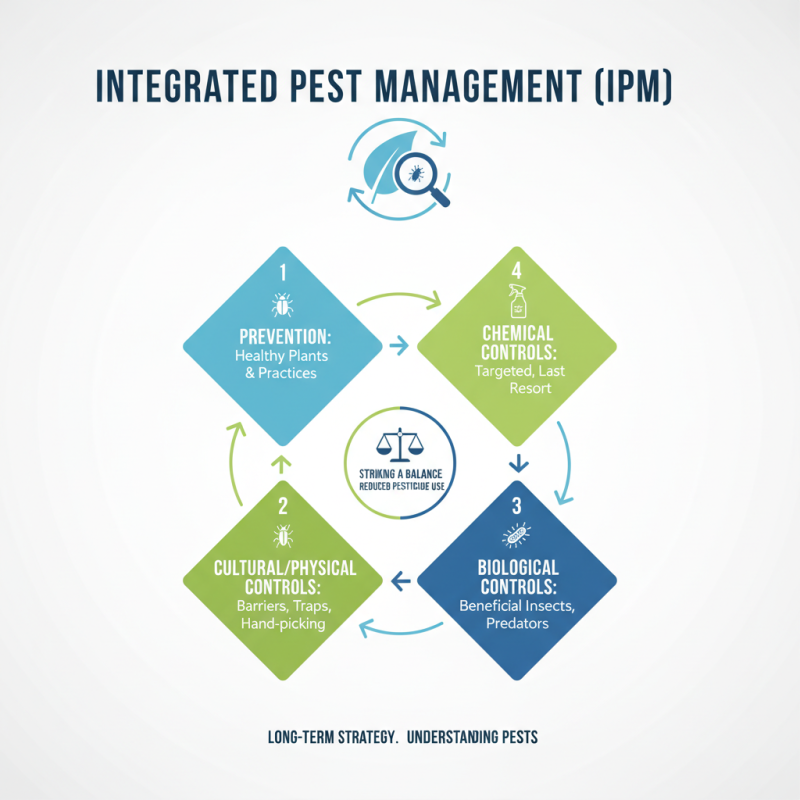
| Integrated Pest Management (IPM) |
All types |
High |
Combination of methods tailored to specific pests |
Identifying Common Pest Species and Their Threats
Identifying common pest species is crucial for effective insect control. Ants, for example, often invade kitchens in search of food. Their presence not only indicates a hygiene issue but can lead to contamination of food. Ignoring these small creatures may foster larger infestations.
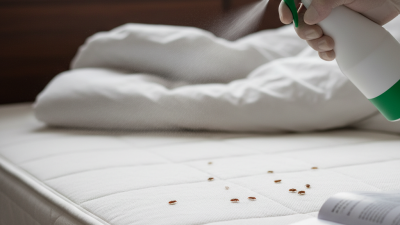
Another common pest is the cockroach. They thrive in dark, damp areas and multiply rapidly. Their waste can trigger allergies and spread diseases. Spotting even one may be a sign of a larger problem. Bedbugs are elusive but can cause significant distress. Bites from these pests often lead to sleepless nights.
In many cases, people underestimate the dangers posed by pests. Prevention methods like sealing cracks may seem simple, yet many overlook them. It takes time and effort to implement these strategies. Monitoring your environment regularly can help catch infestations early on. A proactive approach is always better than dealing with an outbreak after it happens.
Natural vs. Chemical Insect Control Methods: Pros and Cons
Natural and chemical insect control methods each have their benefits and drawbacks. Many homeowners opt for natural methods, thinking they are safer and more environmentally friendly. Indeed, a report by the National Pesticide Information Retrieval System highlights that around 85% of consumers are concerned about chemical use in their homes. However, natural options can take longer to show results.
For instance, diatomaceous earth effectively targets pests but may require repeated applications. It’s less effective in humid conditions, where pests thrive. Chemical methods can offer rapid results, often killing insects within hours. Yet, these products can pose health risks to pets and children, as pointed out in studies by the Environmental Protection Agency. This trade-off must be considered carefully.
Tips: Use essential oils like peppermint or lavender for a pleasant scent while deterring insects naturally. For quicker results when facing an infestation, chemical baits may be more effective. Consider hybrid approaches, combining both methods. Be advised, though—over-reliance on one method can lead to resistance among pests.
It’s also vital to monitor your space. Regular inspections can prevent infestations before they escalate, allowing for timely, less chemical-intensive treatments.
Top Strategies for Effective Insect Control Methods
This chart compares the effectiveness of natural and chemical insect control methods. Natural methods, while effective in 75% of cases, often require more time and persistence. Chemical methods are slightly more effective at 85% but raise concerns about potential environmental impacts.
Preventative Measures: How to Keep Insects at Bay
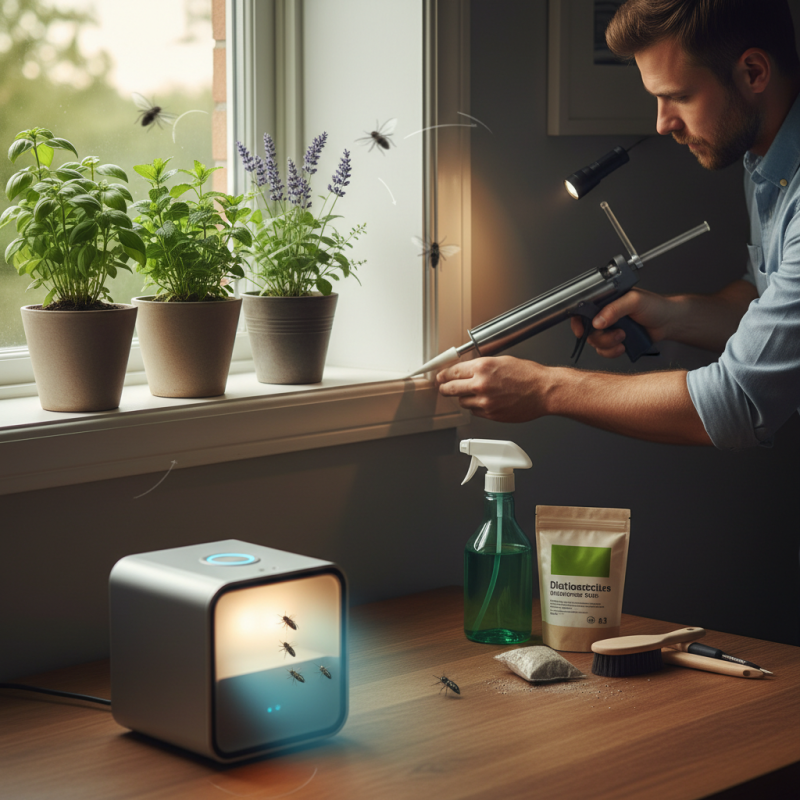
Preventing insect infestations starts at home. Regular cleaning is essential. Wipe down surfaces and vacuum floors. Pay special attention to food spills. A clean kitchen discourages bugs from thriving. Seal any cracks in window frames and doors. This simple act can reduce entry points significantly.
Consider natural deterrents, like essential oils. Citrus scents repel ants and spiders. Plants like lavender also help keep insects at bay. However, these methods have limitations. Their effectiveness can vary based on the insect species. Regularly reassess your chosen strategies to see what works best. Monitoring areas where insects frequently appear is vital.
Always be cautious with stored items. Cardboard boxes can attract pests. Use plastic containers, especially for food. This small change can make a big difference. Embrace these preventative measures to create an insect-resistant environment. However, it’s important to recognize that no method is foolproof. Regularly review and adapt your strategies to maintain an insect-free home.






 Products
 Search